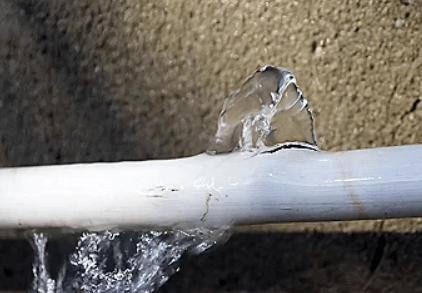
Preventing pipe bursts begins with early detection and consistent protection methods. Monitor indicators such as unexpected creaks, thermostat fluctuations, and slow drainage, and document seasonal patterns. Insulate exposed piping and seal gaps to curb heat loss. Maintain steady indoor temperatures and monitor flow for anomalies. Prepare quick-response steps for extreme cold and assign clear responsibilities. The system’s integrity hinges on disciplined preparedness and disciplined execution, inviting further examination of specific techniques and protocols.
How Your Home Feels the Freeze: Spotting Early Pipe Stress Signs
As temperatures drop, a house can exhibit early indicators of freeze-related stress before a pipe bursts. The observation focuses on how your home feels, revealing subtle shifts in structure and system responses.
Early pipe stress manifests through unusual creaks, fluctuating thermostat behavior, slow drainage, and marginal pressure changes. Detection relies on objective monitoring, prompt reporting, and proactive maintenance actions to prevent deterioration.
Insulate and Shield: Immediate Steps to Protect Exposed Pipes
Insulating exposed pipes is a critical immediate step to mitigate rupture risk in cold conditions. The guidance emphasizes technical actions: insulate pipes, shield exposed pipes, and prevent heat loss through exposed plumbing cells.
Detect leaks early, monitor thermostat habits, and prepare for emergencies.
Systematic inspection confirms integrity, enabling proactive measures and preserving function in challenging environments.
Keep the Heat Steady: Temperature Habits That Prevent Bursts
Maintaining a stable indoor temperature is essential to prevent pipe bursts, particularly in cold seasons when small drafts and sudden drops threaten hydrostatic integrity. The practice emphasizes keep temperature consistent, monitor water flow, and document seasonal monitoring patterns. Look for heat loss signs, address insulation gaps promptly, and adjust settings to minimize energy waste while maintaining steady pressure and predictable flow.
See also: The Psychology Behind Crypto Trading
Be Ready to Act: Quick-Response Measures During an Extreme Freeze
In extreme freezes, rapid recognition and decisive action minimize the risk of pipe bursts by limiting exposure to cold and preserving water flow; the protocol emphasizes immediate assessment, prioritized shutdowns, and targeted heat application.
This section outlines quick response measures, clear role assignments, rapid isolation of affected lines, and sustained monitoring to maintain extreme freeze readiness with disciplined execution.
Conclusion
In summary, proactive monitoring, insulation, and steady indoor temperatures form the trifecta of pipe-burst prevention. Early stress signs are identified, exposed pipes are shielded, and gaps are sealed to minimize heat loss. Temperature patterns are tracked, water flow anomalies noted, and rapid responses prepared for extreme freezes. By assigning clear roles and adhering to prevention protocols, the system’s integrity is preserved. Will vigilance and disciplined action translate risk into reliability for every home?